
Expert Guide to Camping Toilets
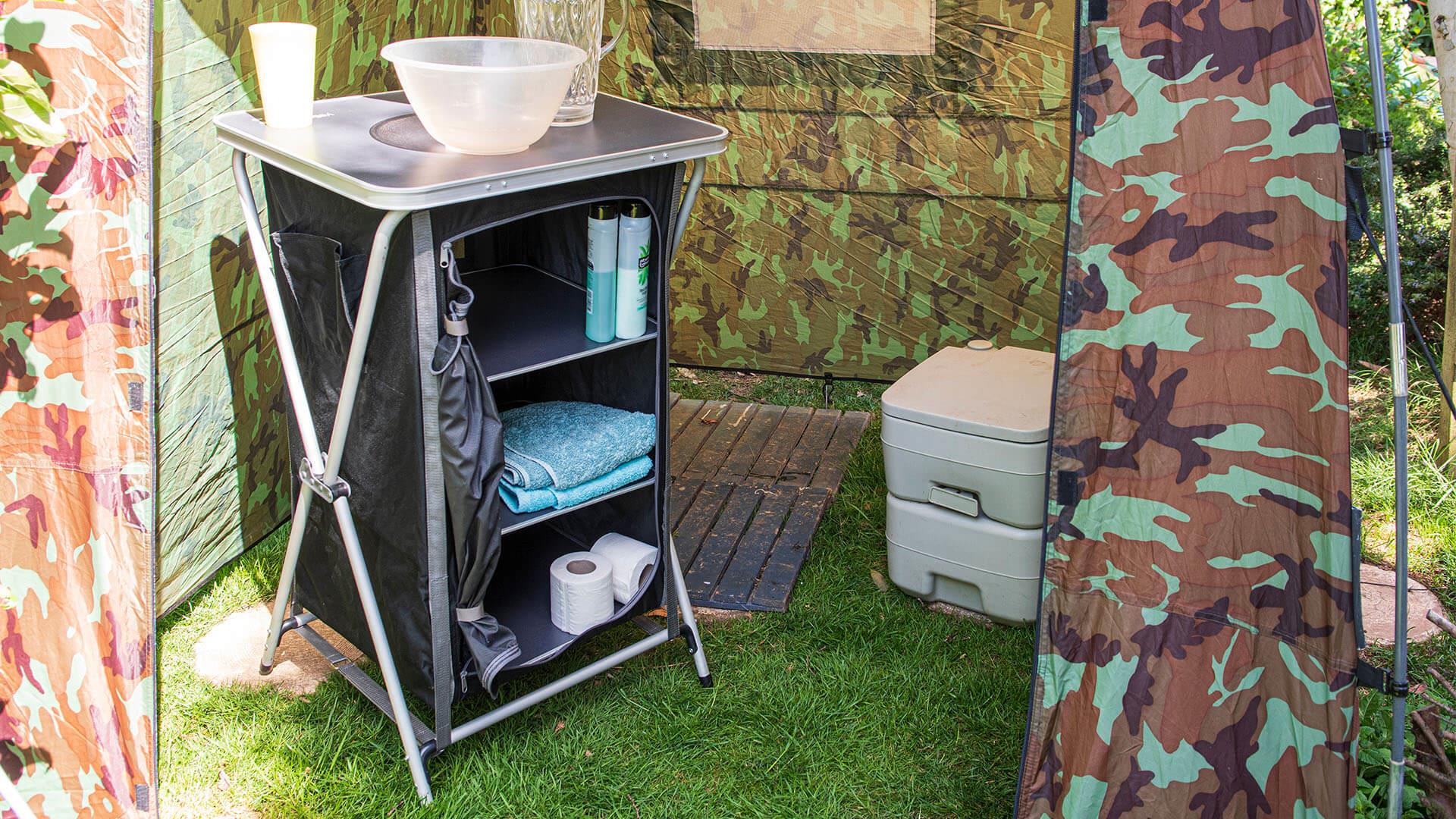
The subject of toilets is enough to put some people off camping altogether – but that shouldn’t be the case. Although it may be something we avoid in polite conversation, even on a campsite, you’ll need somewhere to ‘go’.
Most organised campsites have comprehensive toilet and washroom facilities which campers can use. However, temporary or pop-up campsites, festivals and a small number of off-grid campsites (such as some Certificated Sites) may have little or no facilities, so you’ll have to bring your own.
Whether you’re new to camping or not, this guide will walk you through everything you need to know about portable camping toilets.
Skip to:
- Types of portable toilets
- Setting up a portable toilet and washroom
- Heating up water
- Chemicals used for portable toilets
- Emptying portable toilets
- Maintaining camping toilets
Why use a portable camping toilet
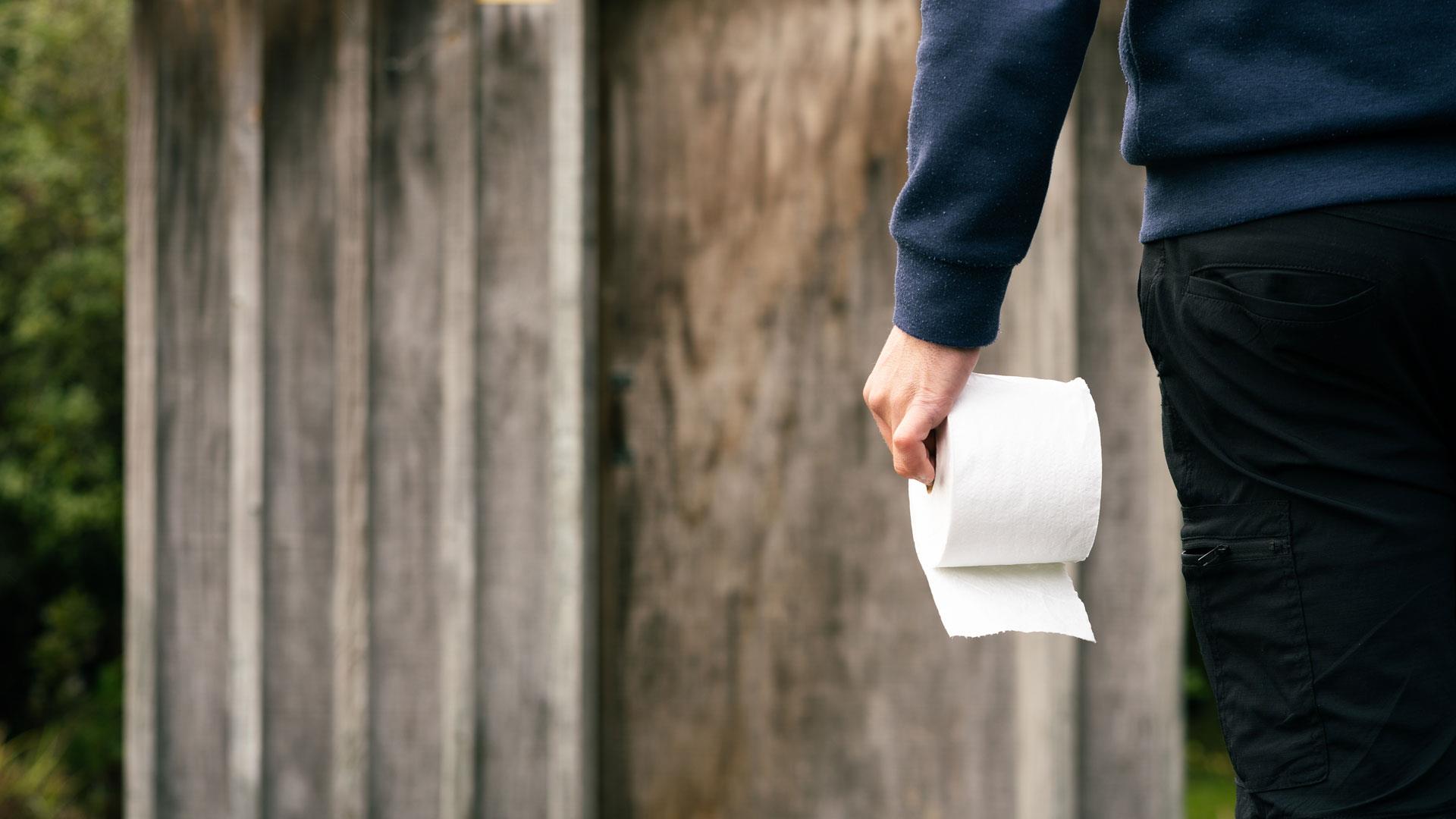
Portable camping toilets are ideal for off-grid camping or when staying at a campsite with limited or no toilet facilities. If you’re camping in a tent, you’ll need to set up your own portable toilet. Caravan, motorhome, and campervan users may have fully functioning toilets and washing facilities within their vehicles, but it’s still important to know how to set them up properly and dispose of waste correctly.
Different types of portable camping toilets
The type of portable camping toilet you have can make or break your trip. Here are several different types on the market.
1. Bucket camping toilet
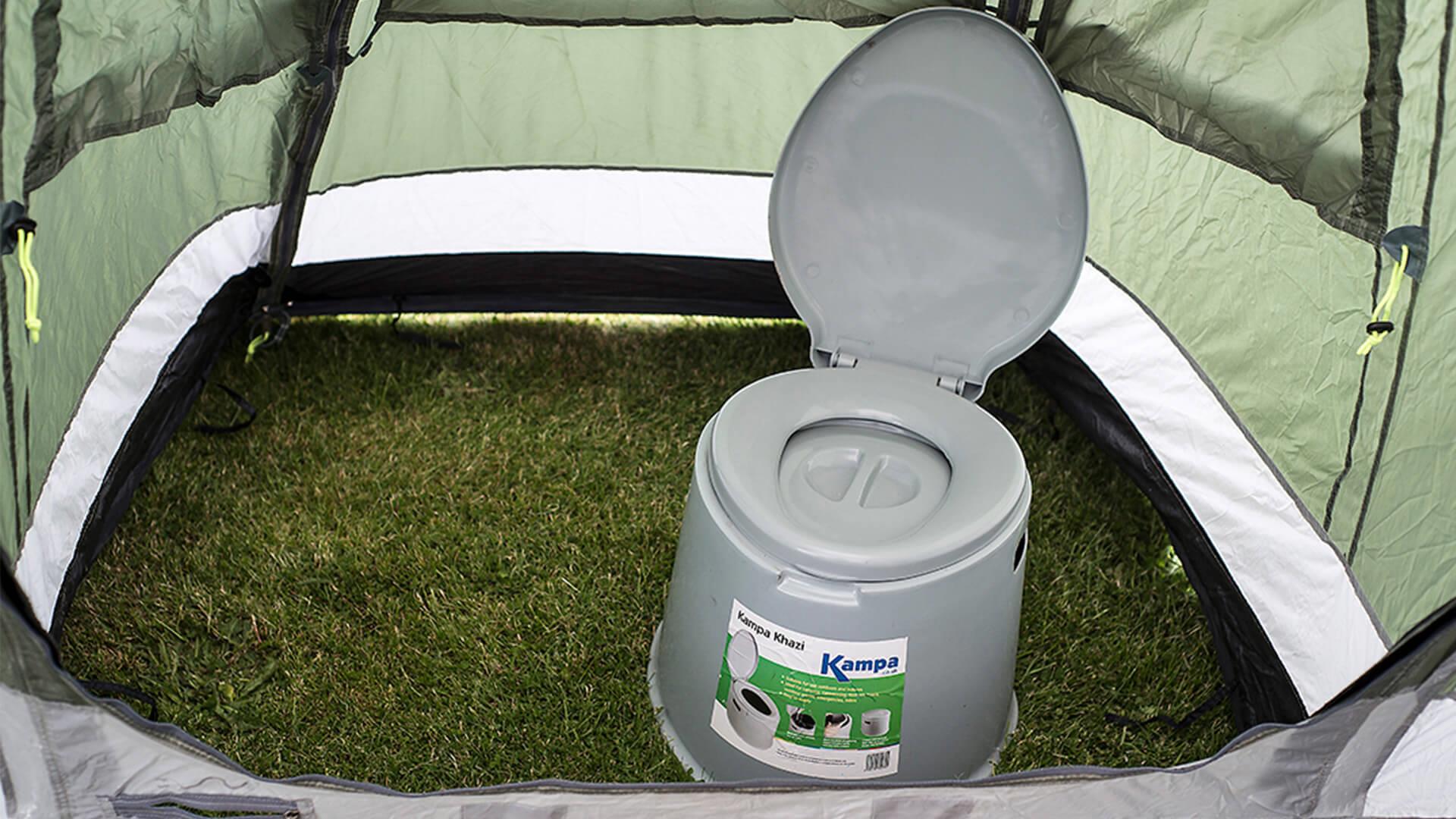
This portable loo is exactly how it sounds. The design is very simple with a reinforced bucket base and a toilet seat and lid for comfort. Sometimes nick-named ‘bucket and chuck it’.
2. Collapsible camping toilet
These portable toilets fold up for easy transportation. They are commonly bag-type toilets that have a simple frame and seat structure.
3. Flushable camping toilet
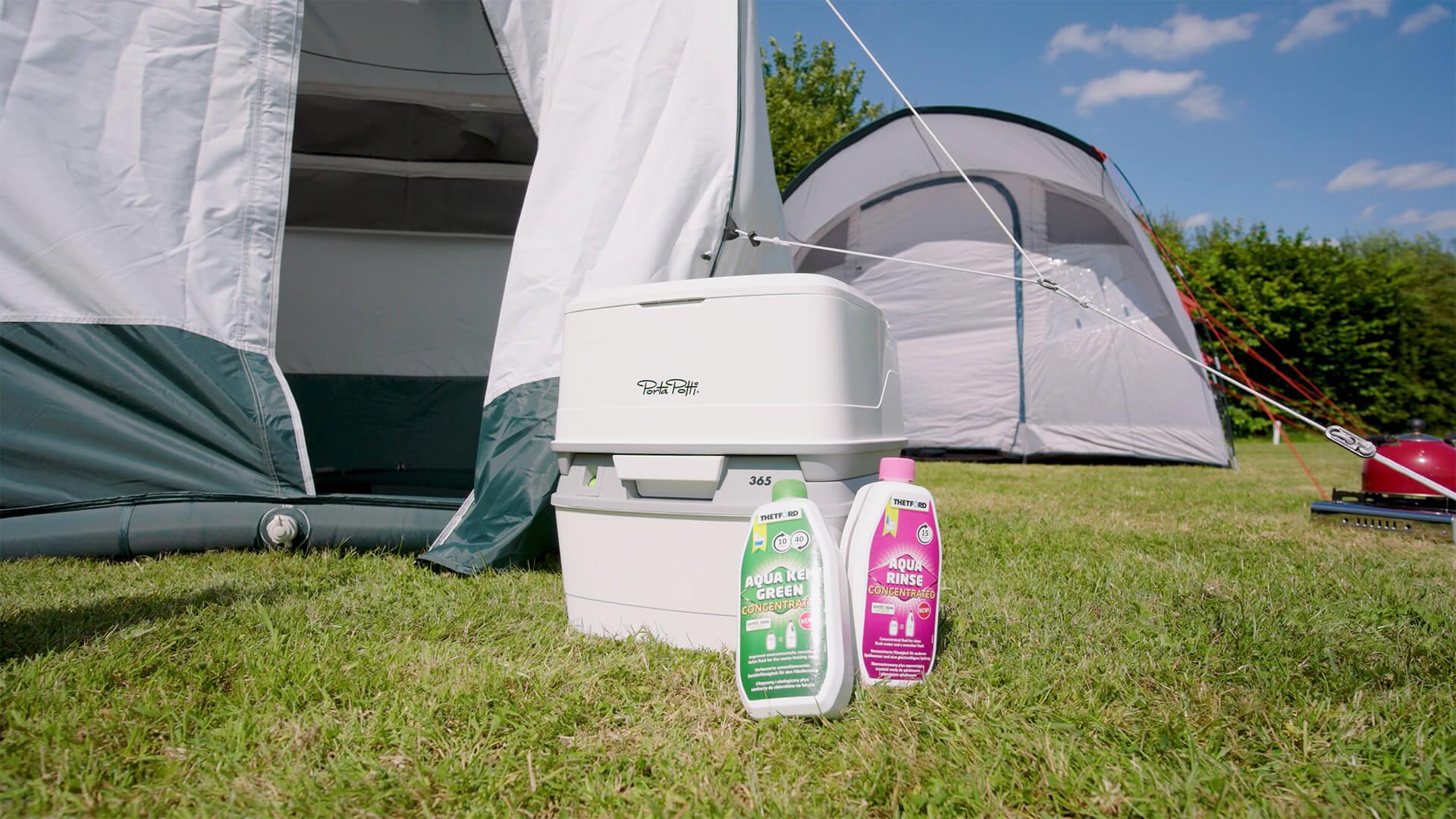
A flushable camping toilet is on the more luxurious end of portable toilets. The Thetford Porta Potti range includes some great portable flushing camping toilets that come in two parts. The upper section is a combined flush-water tank and toilet bowl with a detachable seat and cover, and the lower section is the waste holding tank. The two sections come apart easily, allowing you to empty the waste conveniently and hygienically.
4. Separation camping toilet

These toilets have separate compartments for liquid and solid waste. It uses a special insert to divert liquids into the front canister and solids into the back so that it can be covered with an absorbent material like sawdust and dry out. Separating liquids and solids reduces odours and makes disposing waste easier. They are available as a portable unit or a kit for existing cassette systems.
5. Built-in caravan and motorhome toilets
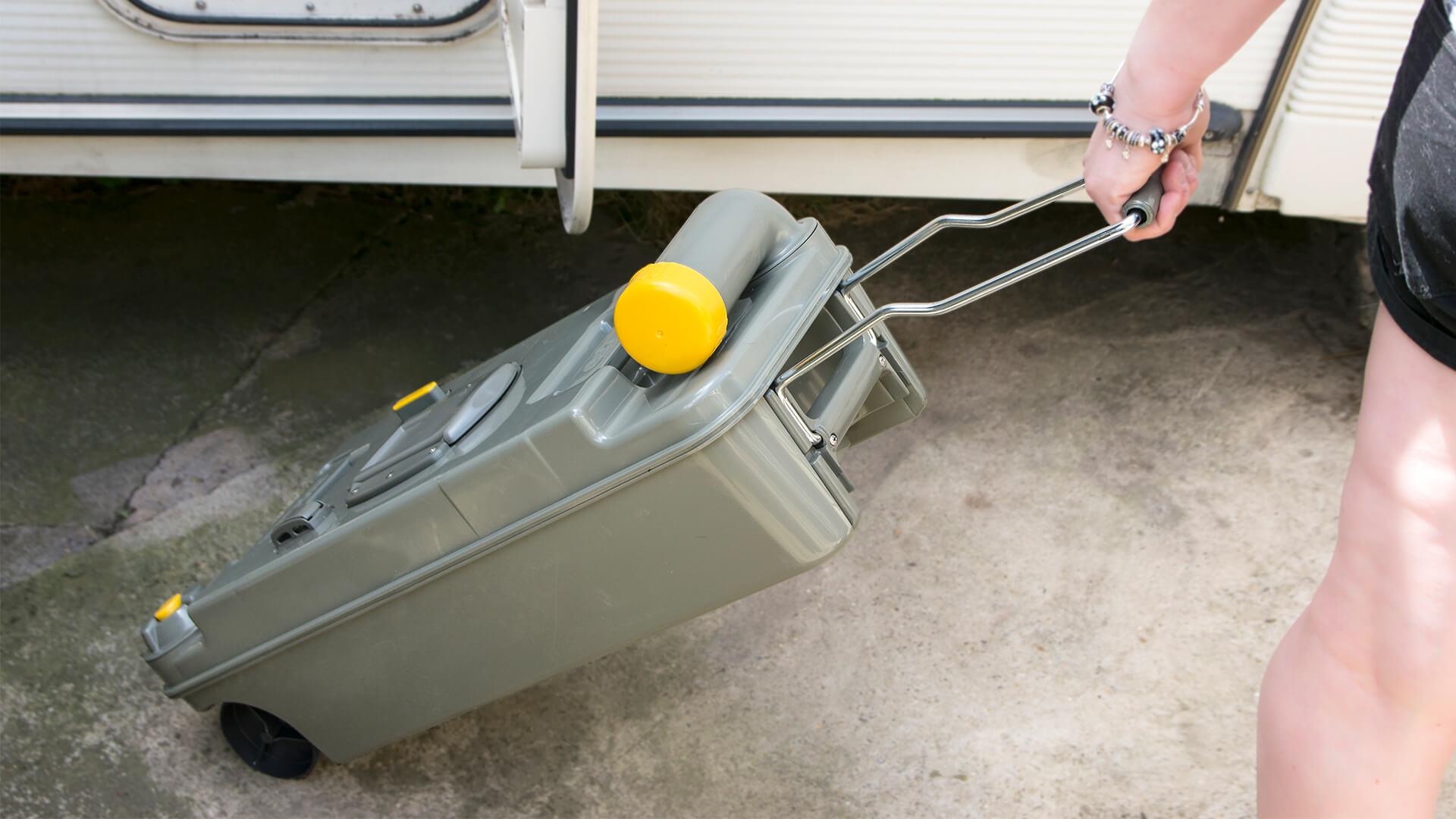
If you’re camping in a caravan or motorhome, you’ll find that most models include a built-in toilet within the washroom. Thetford is the leading brand in this market, although Dometic also manufactures a range of camping toilets.
These toilets use a cassette-style waste holding tank, and many modern versions now feature wheels for easier transport. The cassette is usually accessible from outside the caravan or motorhome, stored securely behind a locked panel.
Inside, the toilet may have a swivel bowl to make the most of limited space, and the flush is often powered by an electric pump.
How to set up a portable camping toilet and washing facility
All campsites are required to provide access to fresh drinking water and waste disposal facilities, but if you’re staying somewhere with limited amenities, there are plenty of ways to set up your own toilet and washing area while maintaining privacy and good hygiene. This not only applies to tent campers but also to those travelling in smaller campervans with little or no onboard facilities.
Ideally, your toilet and wash area should be kept separate from your main accommodation by using a compact toilet tent or a larger utility tent, with some models even offering dual sections for a dedicated shower cubicle. Once you’ve decided on the size, you can then choose between inflatable-tube, pop-up, or traditional pole-and-sleeve designs.
Setting up your portable camping toilet
While each portable camping toilet may differ slightly, most flushable models work in a similar way. Before using, fill the upper flush tank with clean water and add the recommended toilet chemicals, diluted with water, to the waste holding tank. Place the toilet on stable, ideally level ground, and keep toilet paper close by. If there’s no sink nearby, make sure you have hand sanitiser.
To use the toilet, open the waste tank gate or sliding valve. Flush by operating the hand plunger a few times until everything has drained into the waste tank, then close the valve securely once finished.
Setting up a wash basin
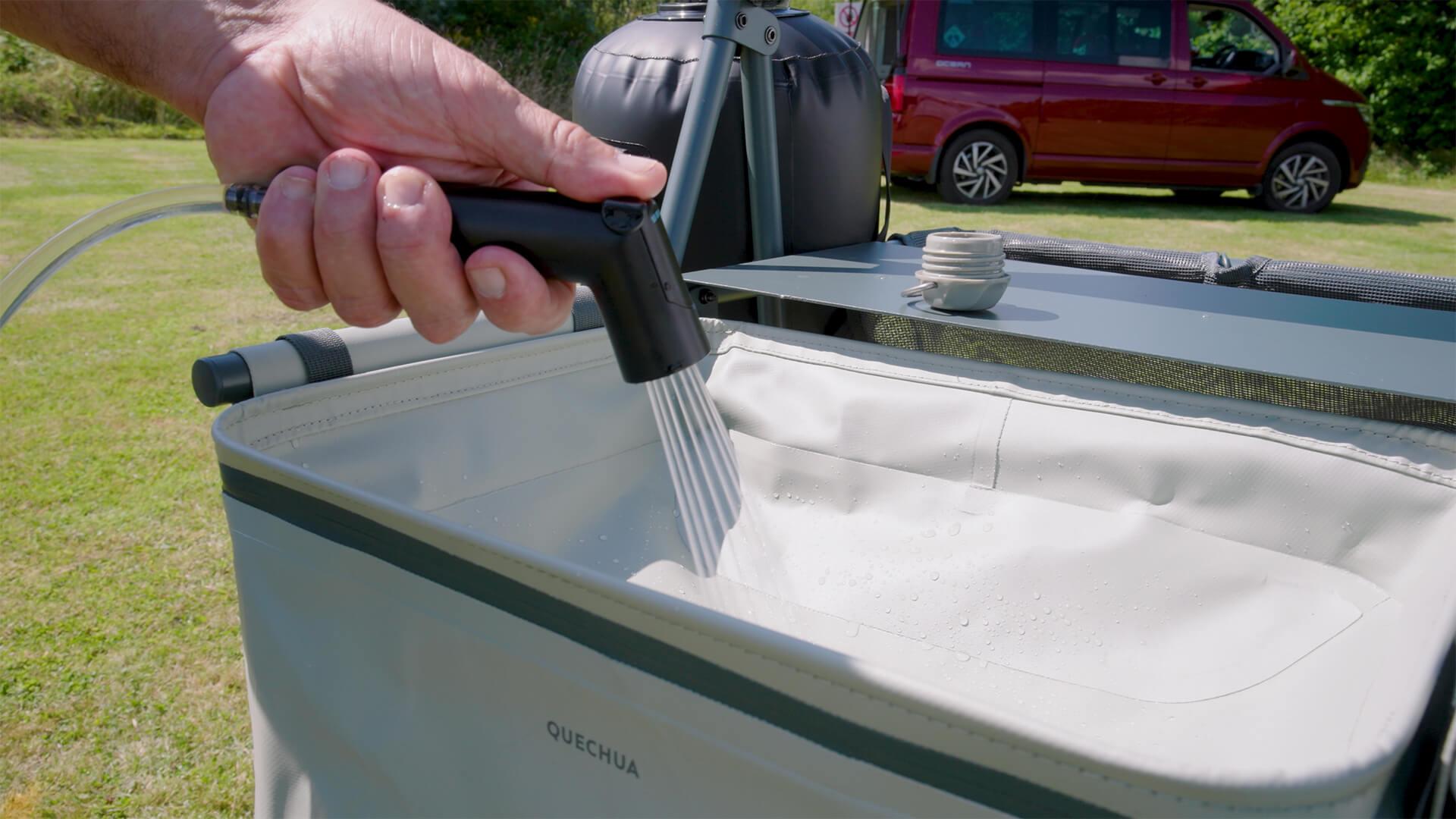
All you really need for a functional wash station is a camping table, a jug, and a bowl. However, you can purchase dedicated camping sinks, which often have an optional stand so they can stand freely.
Setting up a portable shower
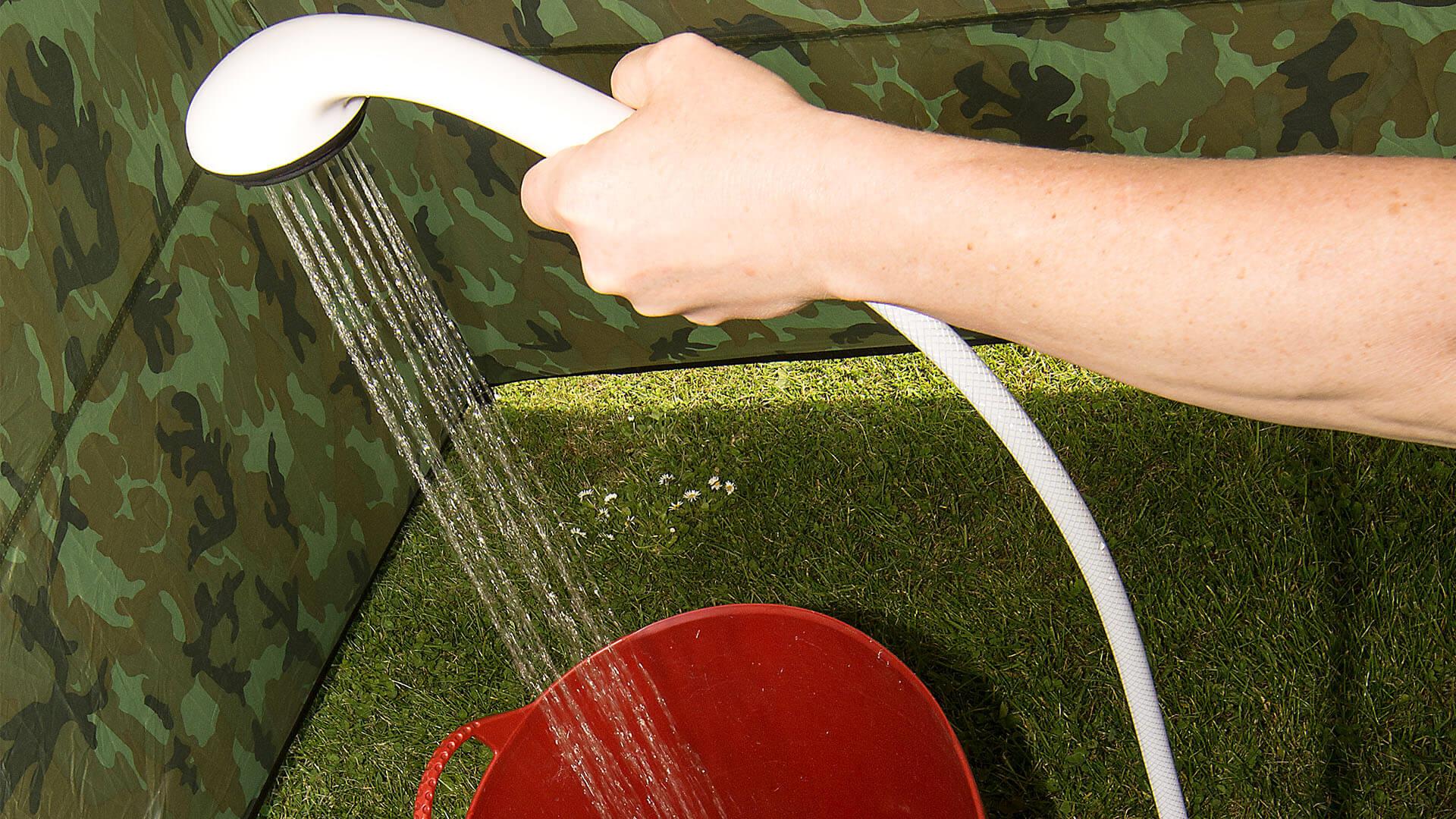
There are several types of portable showers available for campers:
- Gravity-fed showers: These are the simplest type of portable shower. You hang a water bag above your shower area and let the water flow through a built-in showerhead.
- Pressurised showers: These use compressed air inside the container to push water out, much like a garden sprayer. They provide a stronger flow but need occasional pumping during use.
- Submersible electric pumps: If you have a 12-volt DC power supply, you can use a compact submersible pump kit. Simply place the pump in a bucket of water, plug it in, and it will deliver a steady, powered flow.
All of these options are lightweight and portable, making them ideal for off-grid camping or for rinsing off at the beach before getting back into your vehicle.
Top tip: If you’re likely to get water on the floor, avoid fitting a ground sheet. Instead, use a few plastic pathway tiles, which you can purchase from a DIY store. This can protect the grass and your feet. Additionally, a large flexible builder’s trug is a cost-effective way to create a shower tray or a fun bath for toddlers or infants.
How to heat up your water for a camping shower or wash basin
Although hardier campers might be happy to wash or shower using cold water, for those who want a little more comfort, here are some ways to heat your water:
1. Gas-powered instant water heaters
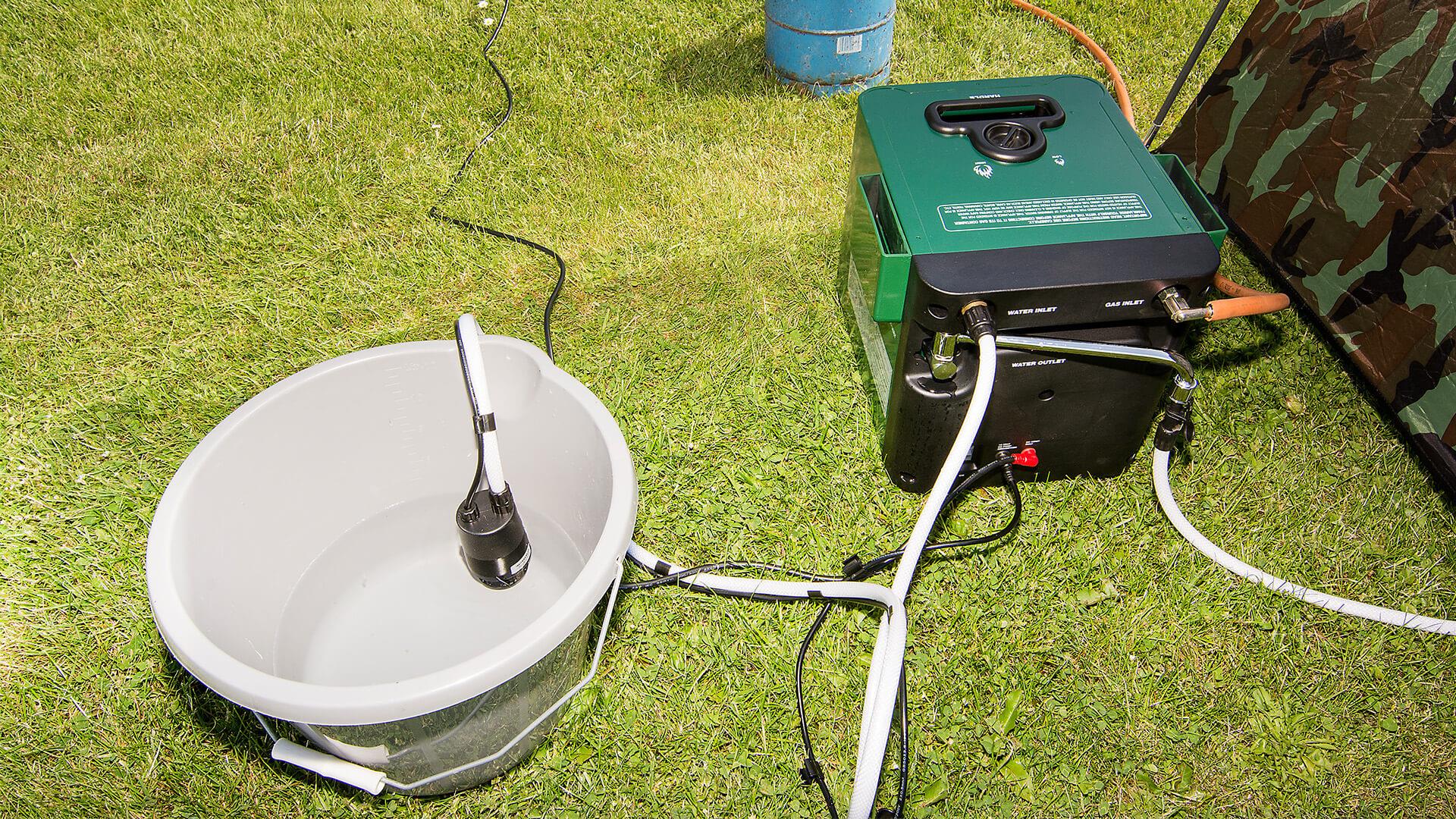
These are an effective option, although they require a 12-volt DC power supply for the pump and can be a little bulky.
2. Solar “black bag” showers

These work brilliantly on sunny days and during a heatwave. Simply leave them in the sun to warm up, and you’ll have a few litres of water for quick showers or washing.
3. Kettle water with a mix of cold water
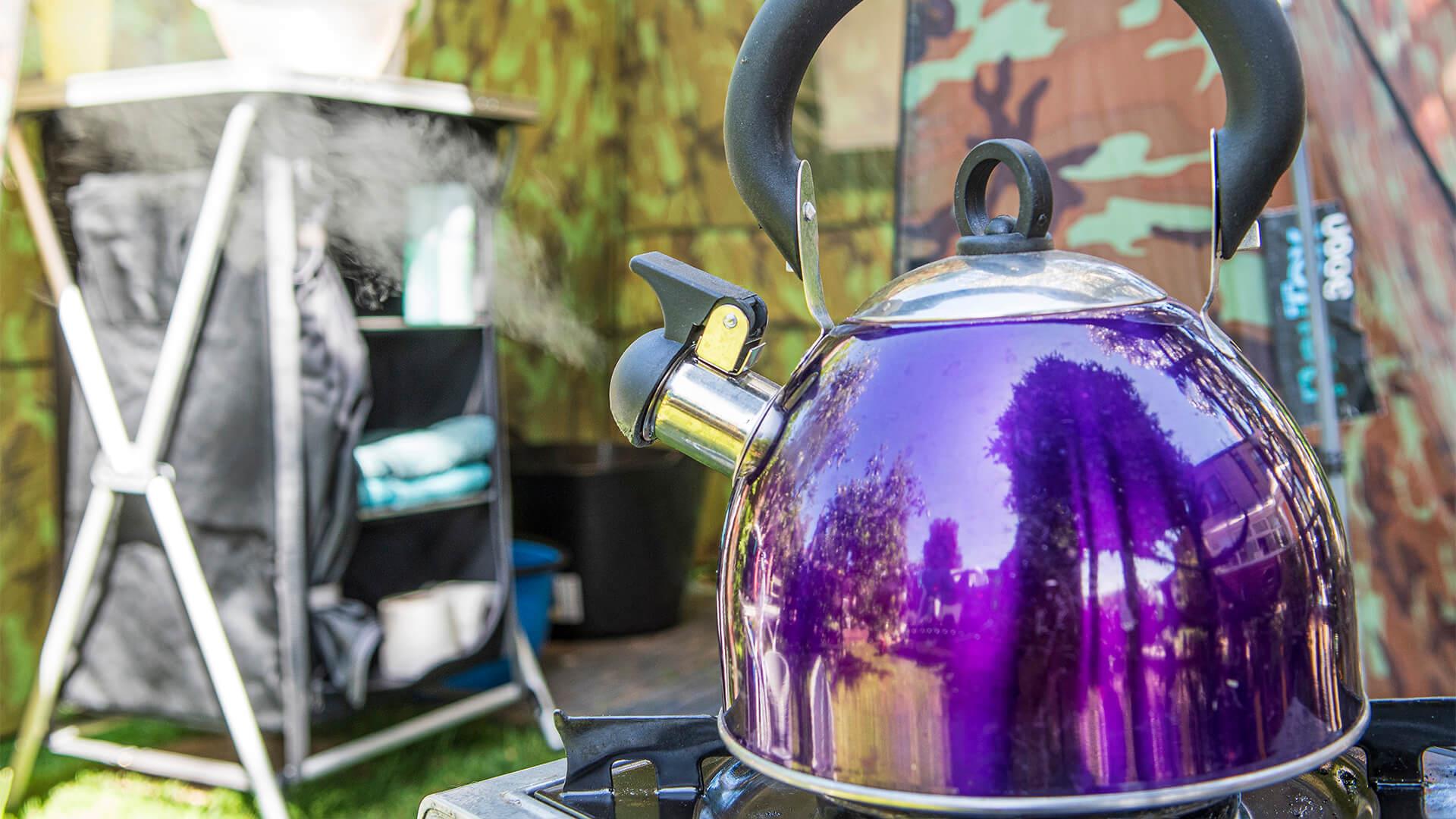
Always pour cold water in first, as boiling water can damage plastic bowls or tanks. A good starting ratio is two parts cold to one part boiling water. Make sure you always check the temperature (the elbow test works well), especially if children are around.
Top tip: If you cannot set up a wash station by your camping toilet, then keep a bottle of hand sanitiser close by.
Chemicals for portable camping toilets

Choosing the right chemicals for your camping toilet is important, as each type works differently and must be disposed of correctly. Most toilet chemicals are designed to kill bacteria, control odours, reduce gas build-up, and break down waste, making it easier to empty the cassette.
Warning! Beware that some campsites only allow specific types of toilet chemicals in their disposal points, so always check which products are permitted before you travel.
Types of chemicals for camping toilets and their usage
To get the best performance from your camping toilet, you’ll need to use special chemical additives. There are many options available, but they generally fall into three main categories:
1. Flush chemicals
Flush chemicals are usually pink and go in the flush reservoir. They serve several purposes, such as helping to clean the bowl, remove grime, eliminate odours, and ensure a smoother flush.
Some motorhomes draw flush water directly from the onboard water tank, meaning no additives can be used. If you still want the fragrance and lubrication benefits of a pink rinse-aid, you can mix some to the correct ratio and use a small plant mister to lightly spray the bowl before use.
2. Waste tank chemicals
These are typically blue or green, with green products often marketed as the more environmentally friendly option. In the past, blue chemicals usually contained formaldehyde, but this is now rare. However, some campsites still require the use of green waste tank chemicals only.
Both types are added to the toilet’s waste tank, where they break down waste for easier emptying while also reducing smells and gas build-up.
3. Dual use chemicals
Dual-use or ‘all-in-one’ toilet chemicals have both flush and waste-tank chemicals in one product. Carrying one bottle may be helpful if you’re tight on space. They’re ideal if you’re short on storage space, but make sure to follow the manufacturer’s dosing instructions and check any guidance on mixing with other products.
To explore a wide range of camping toilet chemicals, check out the selection available at Go Outdoors products. Club members get an additional 10% off selected products.
What chemical dosage should you use for camping toilets?
Using the correct amount of chemical is just as important as choosing the right type. Using too little could mean the chemicals may be less effective, and using too much could mean you’re throwing money down the toilet and potentially harming the environment.
To make sure you’re using the correct amount, check the chemical bottle; most have the dosage on the side. Alternatively, you can opt for solid tablets, which are easy to use and convenient to store, though they can be a little more expensive.
What can you flush down a camping toilet?
It goes without saying that you should only flush human waste down your camping toilet. Disposable nappies, wipes, or sanitary items should never enter the system.
Toilet chemical suppliers generally recommend using ‘quick-dissolve’ toilet paper, as standard household toilet paper can form clumps and get caught in the waste tank’s mechanisms. If your family tends to use a lot of toilet paper, quick-dissolve options are worth considering.
For a deeper insight into what types of camping toilet rolls to use, check out our study.
Emptying your portable camping toilet
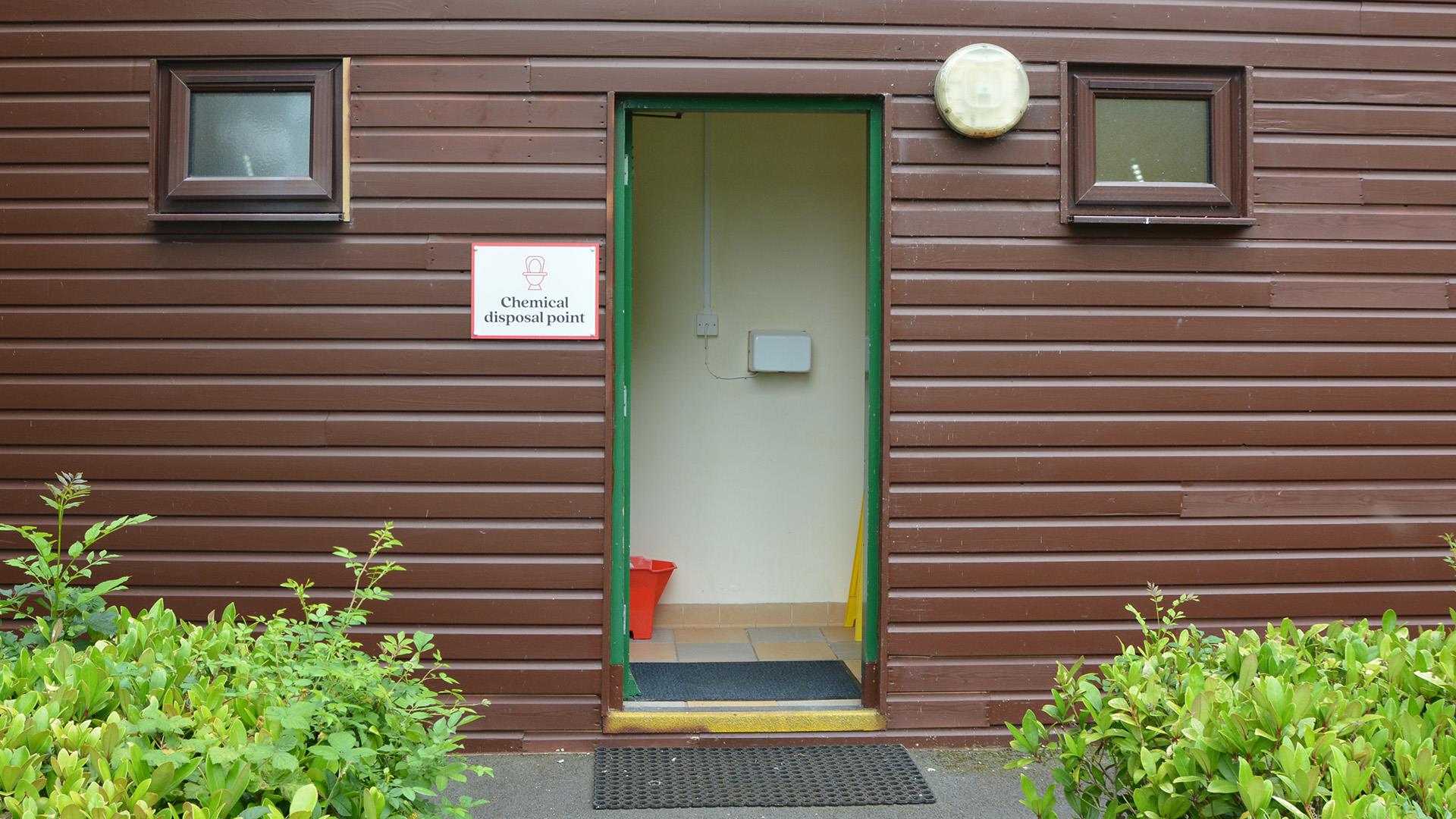
Emptying your camping toilet correctly is just as important as setting one up. It must be done correctly to help maintain hygiene, prevent unpleasant smells, and keep disposal areas clean and safe for everyone.
How to empty your camping toilet
Unless you are using the most basic ‘bucket and chuck it’ style toilet, waste will be stored in a sealed cassette. To empty without spluttering, press the air release valve while pouring. This allows air to enter the cassette, allowing waste to flow out smoothly. Check your toilet’s instruction manual to locate the valve.
If your tank has a screw-on cap, keep it well away from the drain point while emptying. Once finished, thoroughly rinse the area to maintain hygiene.
Where to empty a camping toilet
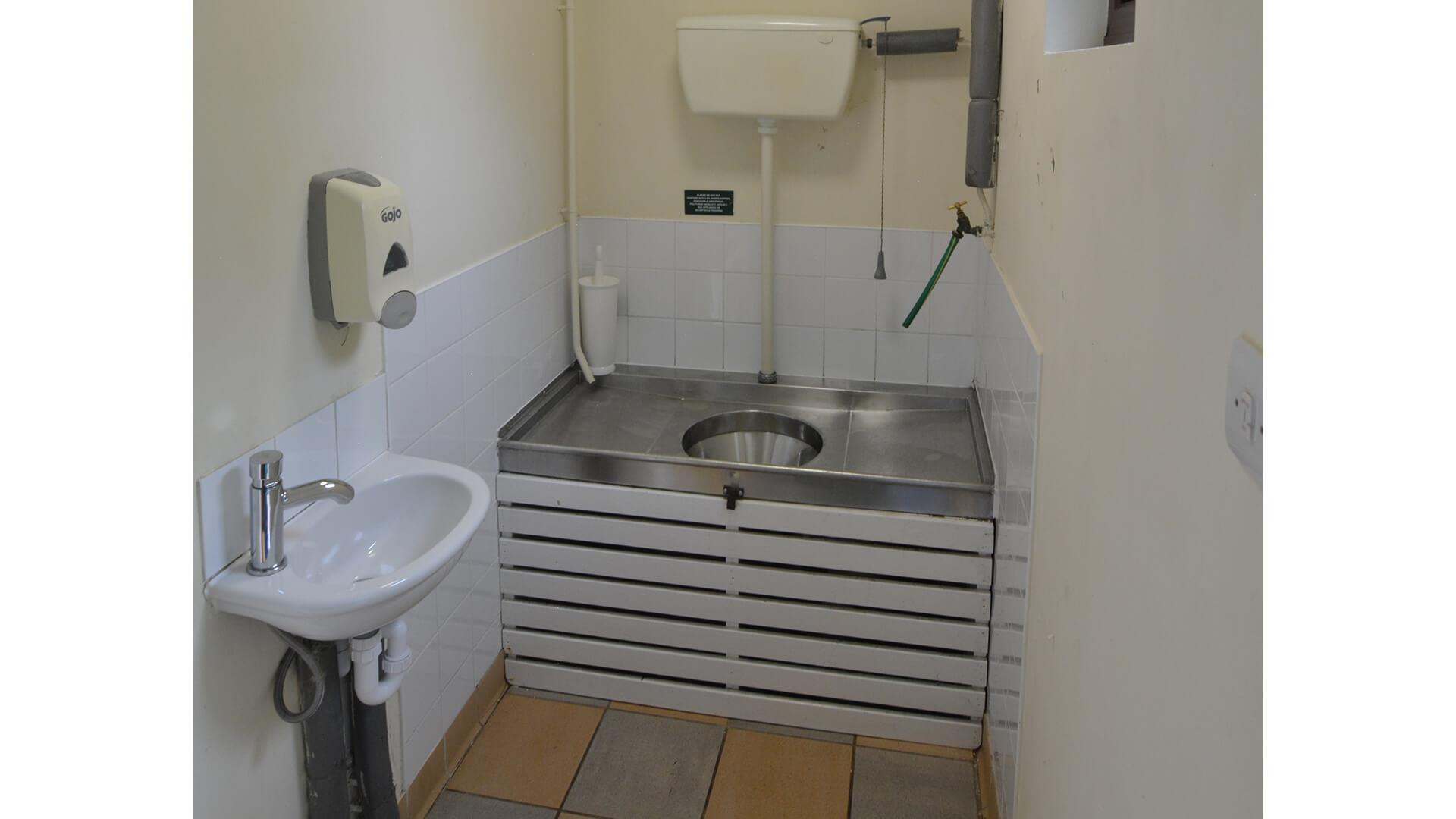
The first rule of using a chemical toilet is that you must only empty it in a designated disposal area. On most campsites, this will be marked as a ‘Chemical Disposal Point (CDP)’. Some sites may refer to it as an ‘Elsan Point’. If you cannot find an official emptying point, your only alternative is to empty the contents into a standard WC, which may mean taking it home.
Warning! Never empty toilet waste (often called black waste) into a grey water disposal point or anywhere near a fresh water supply.
If you are using a bag toilet, check with the campsite staff about the correct disposal method. Some campsites allow bagged waste to be placed in general rubbish bins, while others may ask you to take it home.
Rules surrounding chemical disposal at campsites
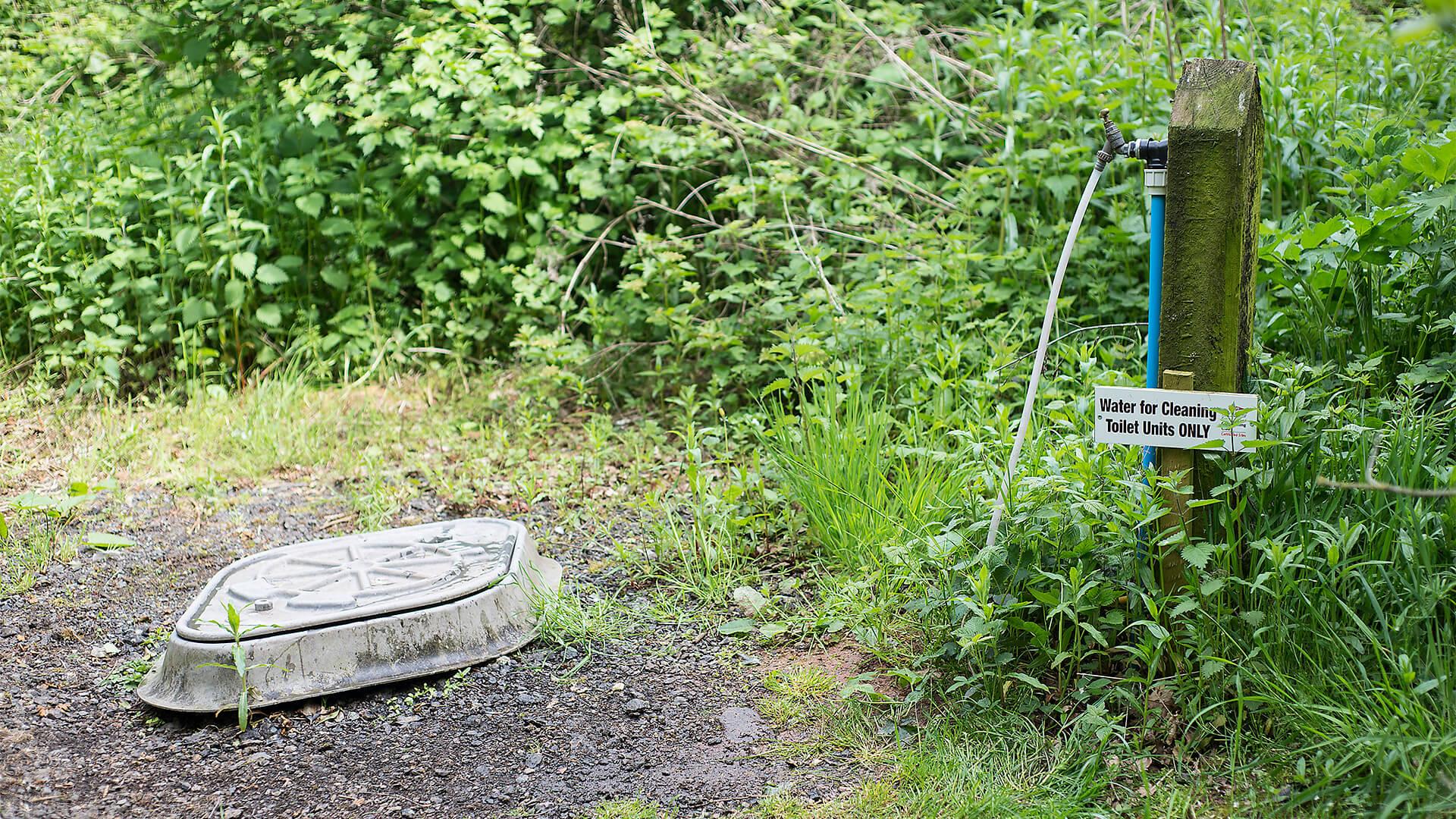
Modern campsites are designed in accordance with a document known as ‘The Model Standards’, which guides local authorities on layout and facilities, including waste disposal.
How waste is managed depends on the local water company and whether the site has access to a mains sewer. Where this is not available, a cesspool is often used instead.
Temporary or pop-up campsites may have simpler arrangements, sometimes just an open manhole providing direct access to the underground sewer.
If a campsite uses a septic tank, there may be strict rules on which toilet chemicals are permitted, as some can harm the bacteria that break down waste in these systems. Always check local guidance before use.
Maintaining your camping toilet
Properly maintaining your camping toilet is essential for hygiene, reliability, and long-term performance. Regular cleaning and correct emptying procedures will help prevent odours, leaks, and unnecessary wear. Here are some handy tips on how to clean and maintain your camping toilet.
1. Always clean your camping toilet after emptying the waste tank. Many built-in models include a full indicator, which should be checked regularly to prevent overfilling and reduce the risk of leaks or unpleasant odours.
2. Before emptying your camping toilet, close the holding tank’s sliding valve. Remove the cassette or detach the waste holding tank from the upper flush tank, depending on your model. Some cassettes are fitted with wheels and handles to make transporting them easier.
3. Only empty your camping toilet at a designated Chemical Disposal Point (CDP). Never dispose of waste at fresh water or grey water points.
4. Empty and rinse the holding tank. At the disposal point, remove the cap from the large spout and place it safely away from the drain to avoid accidental blockage. Position the spout over the disposal point, press the rear air release valve, and tip the tank slowly to minimise splashback.
Once empty, open the sliding valve and rinse the holding tank thoroughly with clean water. Close the valve, refit the cap securely, and gently shake the tank to remove any remaining residue. Repeat if necessary.
5. If the toilet will be used again, add a small amount of clean water to the holding tank and mix it with the appropriate toilet chemicals. On models with a separate flush tank, top this up as required.
6. Before storing your camping toilet, fully empty and clean the waste holding tank or cassette. Drain any separate flush tank to prevent residue build up and wipe the toilet down with a suitable cleaning agent. Once clean and dry, leave the sliding valve slightly open to allow the seals to relax and apply a seal lubricant to keep them in good condition.