
- Media Centre
- Press releases
- 2025
- Camping Trend Predictions 2026
Our Camping Trend Predictions 2026
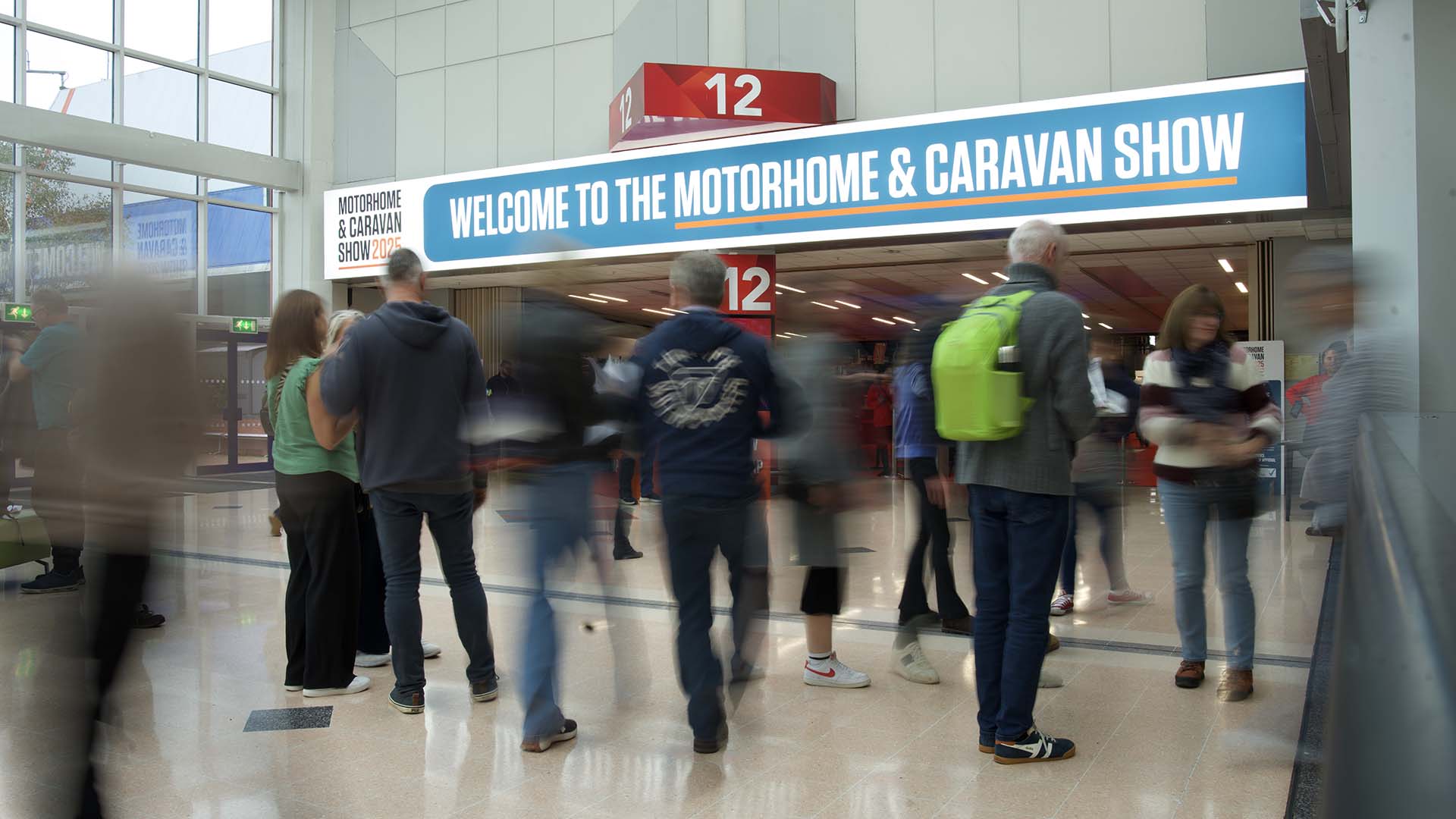
2026 is on the horizon bringing with it new trends that will shape the year ahead. Our team recently attended the autumn Motorhome and Caravan Show at the NEC, and after speaking to many market leaders, we’ve listed our predictions for what trends will be big in the camping scene next year.
Trend 1: Campervans popularity continues
One of the biggest changes we’ve seen in recent years is the rise of campervans. To meet the demand we’re set to see campervans coming next year across the price spectrum. This should be welcome news to those wanting to try the campervan lifestyle , as well as experienced campervanners looking to upgrade.
There are many options for under £50,000, including the HemBil Go, which is built on the Volkswagen Caddy and offers a small double bed, pop top roof and kitchen area. Perfect for those wanting to double up their camper with a small run-around car.
At the other end of the spectrum are campervans that combine luxury with practicality, like the Robeta Schumacher. Costing approximately £280,000, it boasts a stunning finish, with loads of storage, high quality cooking facilities and a top-end washroom.
Whatever your budget, campervans are generally becoming more affordable when they’re designed to also be your main vehicle; ideal for first time campers who want to try the van life.
Trend 2: Camping goes electric
Any discussion about vehicles today and next year is likely to include the mention of electric vehicles, whether it’s bikes, cars, campervans or motorhomes. 2026 will see even more people looking into travel that is more sustainable.
Lightweight E-bikes
E-bikes are evolving into the smallest packages and with camping and caravanning, it’s a benefit both practically and environmentally. With some models weighing just over 18kg, they are not as light as a standard road or mountain bike, but they’re not going to take up too much of your payload compared with others.
Electric microcars for towing
A step up from an e-bike is a microcar, they are spacious enough for two adults and a small amount of luggage. Although not much faster than an e-bike but with a bit more space and a roof, these will be proving popular for motorhomers who are looking for a compact vehicle to tow behind as a city runaround.
Trend 3: Investment in van life comforts
When it comes to camping trends for 2026, one buzzword shows no signs of going away: van life. Whether it’s brilliant barbecues, eco toilets or pet accessories to make your four legged friends comfortable, new products for 2026 will see you out camping every weekend.
Van conversion unit
If you have a work van that you want to quickly turn into a touring unit, Slide Pods has a new block with a bench seat that turns into a rock and roll bed, with storage and a whole kitchen unit below that slides out. They can fit most small vans and even some SUVs, starting at around £3,500. Perfect for those wanting to experience vanlife without having to store another vehicle.
Dog products
When planning your next trip, don’t forget about your furry friends. 2026 will see lots of interesting new products for those who like taking their dogs camping, including the new Bexy dog trailer from Thule, the Carry Dog folding dog house from Fiamma and Dometic’s K90 AIR dog carrier. They all look great and should set tails wagging.
Toilet innovations
One area that continues to innovate has been tech developments in toilets. We’ve previously seen an upgrade in composting toilets, but going into 2026, we’re going to see more people choosing separation toilets.
The systems have been designed to keep liquids and solids separate to reduce smells and make emptying easier. Norbert van Noesel explains the difference it will make to your camping trips.
Alfresco cooking upgrade
Vanlife is all about enjoying the outdoors, and what’s better than a bit of campsite cooking with a brilliant barbecue? Brands such as Nomadiq have launched a new, sleek-looking folding barbecue, available in either gas or electric form.
Trend 4: Focus on sustainable materials for eco-camping
Chemical toilets
Brands are shifting to focus on making chemicals such as toilet fluids more environmentally friendly. One example is Solbio, which is 100 per cent natural, made from organic ingredients and gives fresh aromas of essential oils, as well as being safe to have around children and pets, making camping all the sweeter.
Awning fabrics
One key area for sustainability is awning fabrics with brands such as Dometic making a selection of its latest fabrics with zero fluorocarbons, getting ahead of the 2030 standards.
In recent years, manufacturers have also been adopting different approaches to make their products more sustainable. These include using fabrics such as sentinel eco pro, made from recycled plastic bottles, which you can see in Vango’s Hexaway Pro Air awnings. They have also worked on fabric strength with its Dynamic Weave material for longer product life, aiming to reduce the numbers of tents going to landfill.
Across the industry there have been improved dyeing techniques have helped to reduce water wastage and recycling and repair schemes such as Vango’s can help to reduce unnecessary waste.
Motorhome materials
Motorhome manufacturers are also introducing new materials. You might not be able to see the difference, but the Knaus BoxTime motorhome uses innovative lightweight materials that save more than 20kg compared with conventional front-end construction, which means you get reduced fuel consumption, an increased payload, improved handling and better sound insulation.
Trend 5: Off-grid camping increases in demand
As van life grows in popularity, camping units and accessories for off-grid adventures are going to be a key focus. Campervan and motorhome manufacturers are flooding off-road camping units with innovation.
Enhanced suspension
Off-road units need enhanced suspension, rugged structures and all-weather prepared specifications. Those wanting to explore off the beaten track will need to look for products that have been created by experts to tick all of these boxes, such as the Terok; an adventure trailer that has been designed by someone with a background in the marine industry.
Lightweight build and accessories
Off-grid camping can mean travel over uneven ground, so the lighter the vehicle the smoother the journey. With innovations to reduce weight and allow explorers to reach their destination easier, many manufacturers are turning to building all of their furniture out of aluminum, rather than wood, to reduce heft.
Another innovative idea by some brands to reduce their units weight and improve space has been to remove the shower and toilet area, and store them under the living area as pop-up solutions. The shower curtain hooks to the ceiling and the floor and it can be easily removed for cleaning after adventures. A separation toilet also lives in the same space, but there is a location for it to sit if you’re using the shower.
Unit load balance
An important element of off-grid camping, or even on some Certificated Sites or Temporary Holiday Sites without hard standing, is ensuring you’re well balanced. We met many brands who are one-step ahead by creating units that are packed with products for off-grid solutions, such as inverters and solar panels.
However, the Hydraulic Levelling System is essential from Renogy. Regardless of the ground beneath you, the self-levelling technology will assess the area and lower legs to adjust to your surrounds. It costs around six thousand pounds on average, depending on the type of vehicle, but it’ll be money worth spending.
Convertible awnings
If you’re looking to travel light but want extra space and freedom to explore, a driveaway van awning could be the answer and Outwell have just the solution.
The new Cross Powerair is a driveaway van awning with an additional annex for sleeping or storage. The annex can be swapped to either end of the awning, so if you end up on a pitch that has unsuitable ground in your usual layout, just zip the annex into the other side.